
01
Procedure SEO
Rank for wisdom teeth removal, dental implants, and bone grafting in your service area.
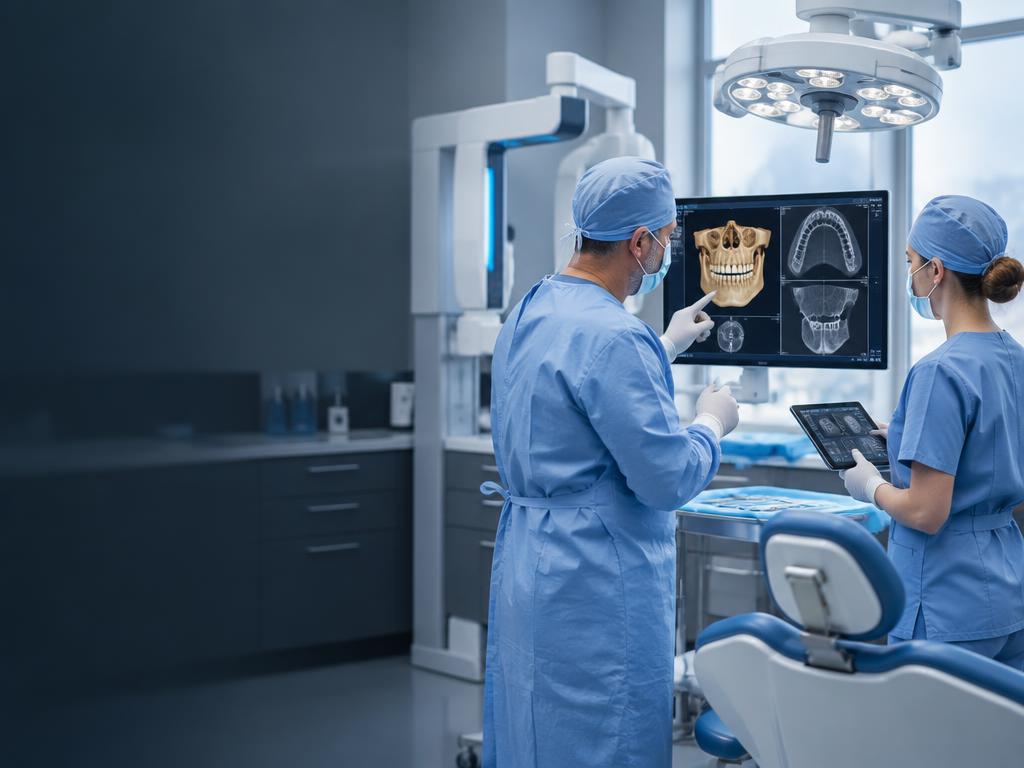
Oral surgery practices depend on both referring dentists and patients searching directly for wisdom teeth, extractions, and implants. We grow both channels.
Get My Free AnalysisThe challenge
Our approach
Rank for wisdom teeth removal, dental implants, and bone grafting in your service area.
Resources and outreach that keep general dentists sending cases.
Sedation, recovery, and cost pages that build comfort before the first visit.
The market
Patients seeking oral surgery services often arrive at a critical juncture in their oral health, driven by acute pain, the need for restorative procedures like dental implants, or preventative measures such as wisdom teeth extraction. Their journey frequently begins with intense online research, even if referred by a general dentist. They scrutinize online reviews, practice credentials, sedation options, and detailed procedure explanations, seeking to alleviate anxieties surrounding surgical interventions and recovery.
Decision-making is heavily influenced by perceived expertise, patient comfort, and clear communication regarding treatment pathways and post-operative care. For elective procedures like implants, patients may research for months, comparing techniques, materials, and financing options. Acute issues like pain or infection drive immediate, localized searches, often prioritizing availability and proximity, while wisdom teeth removals can have seasonal spikes coinciding with school breaks for younger demographics.
Optimizing the Google Business Profile (GBP) is paramount for oral surgery practices. Ensure every service, from orthognathic surgery to apicoectomies, is listed. Utilize high-quality interior and exterior photos, surgical suites, and staff. Encourage patients to leave detailed reviews about their experience, particularly mentioning the procedure received and the compassionate care provided. Regularly post updates about new technology, community involvement, and patient education events, ensuring accurate business hours, especially for emergency services, to capture high-intent local traffic.
Yes. Many patients search directly, and referred patients still check reviews and websites before booking.
With dedicated implant pages, financing details, and targeted ads aimed at people researching tooth replacement.
Extremely important. Patients often arrive with significant apprehension. Comprehensive, easy-to-understand content on procedures like bone grafting, post-operative care, and anesthesia options directly addresses these fears, building confidence and trust before they even step into the office, ultimately reducing no-shows and improving patient satisfaction.
Yes, but strategically. While direct patient acquisition via social media is less common for surgery, platforms can be powerful for brand building, showcasing patient testimonials, staff highlights, community involvement, and educational snippets. It humanizes the practice and can strengthen referral relationships with general dentists who follow your page.
HIPAA regulations are paramount. Marketing efforts must never disclose Protected Health Information (PHI). Additionally, clear disclaimers regarding procedure results, realistic expectations, and transparent pricing (where appropriate) are crucial. All content must adhere to ethical advertising guidelines from dental boards, focusing on education over sensationalism.
More Dental Practices specialties