
01
Tryout-season campaigns
Geo-targeted ads to baseball families ahead of tryouts and roster openings.
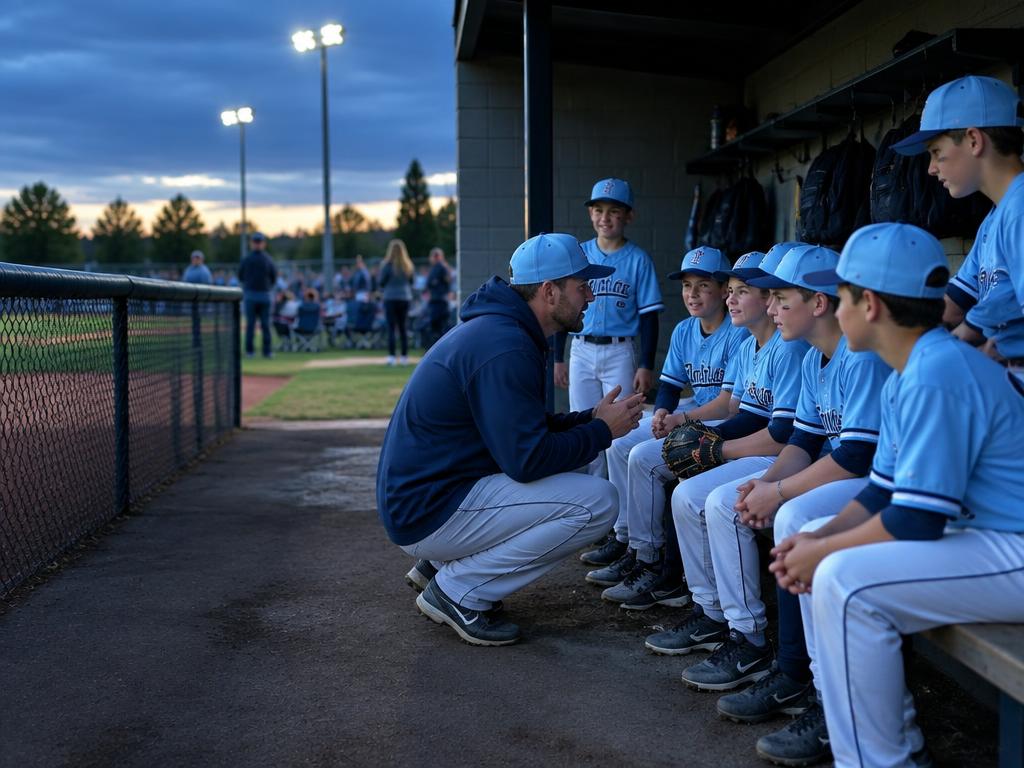
Travel ball organizations compete for talented players and committed families. We help your program stand out with recruiting-focused marketing that reaches parents before tryout season.
Get My Free AnalysisThe challenge
Our approach
Geo-targeted ads to baseball families ahead of tryouts and roster openings.
Coach bios, alumni placements, and tournament results that prove development.
Email and SMS follow-up that answers cost, schedule, and commitment questions fast.
The market
Parents of youth travel baseball and softball players engage in extensive due diligence, often commencing their research 6-9 months before tryout season begins. Their search patterns reflect a desire for both performance and practical logistics. They're not just looking for "best travel team"; they're dissecting program philosophies on player development, comparing coaching staff credentials, and scrutinizing college placement records for older divisions. The decision is a significant family investment, factoring in not only tuition and travel costs but also time commitment, practice facilities, and tournament schedules.
Key decision drivers include a program's track record of player advancement (e.g., college commits, high school roster spots), the quality and experience of coaching (especially former collegiate/pro players), and the overall parent experience. Word-of-mouth recommendations, online reviews, and a strong digital footprint are paramount. Programs must clearly articulate their value proposition, differentiating themselves through specific training methodologies, exposure opportunities (showcases, scout presence), and a transparent communication strategy regarding expectations and financial obligations. Seasonality drives urgency, as prime recruiting and tryout windows create peaks in parental research and engagement.
For youth travel ball organizations, optimizing Google Business Profile (GBP) is critical for local visibility. Ensure your GBP lists all practice facilities, training academies, and administrative offices with accurate addresses and operating hours. Leverage services to highlight age divisions (e.g., 9U Baseball, 14U Softball), specialized training, and tryout events. Crucially, encourage parents to leave detailed reviews about coaching quality, player development, and communication. Respond promptly and professionally to all reviews, positive or negative, demonstrating engagement. Post regular updates on tryout dates, tournament results, and player achievements to keep your profile active and appealing.
Visibility during tryout season, proof of player development, and strong word of mouth amplified by reviews and social content.
Months before tryouts — parents research programs well before registration opens.
Youth sports organizations must navigate regulations related to athlete safety (e.g., SafeSport Act, background checks for coaches), concussion protocols, age eligibility guidelines (NCAA, USSSA), and liability waivers. Digital marketing should reflect adherence to these standards, showcasing a commitment to player well-being and integrity, which reassures parents and builds trust.
Showcase events are critical for high school-aged players seeking college exposure. Your marketing should highlight participation in reputable showcases, emphasize how your program prepares players for these events, and feature success stories of alumni committing to college programs after attending. Promoting scout attendance or specific college coaches observed at your internal showcases is also highly effective.
Parents are heavily influenced by evidence of player advancement, such as college commitment lists, alumni spotlights detailing their successes, and testimonials from current players and their families. High-quality video of training sessions demonstrating specific coaching methodologies, facility tours, and clear coach biographies highlighting playing and coaching experience are also highly compelling.
More Sports & Training specialties