
01
Goal-based SEO
Pages for performance nutrition, weight-class cutting, endurance fueling, and youth athlete nutrition.
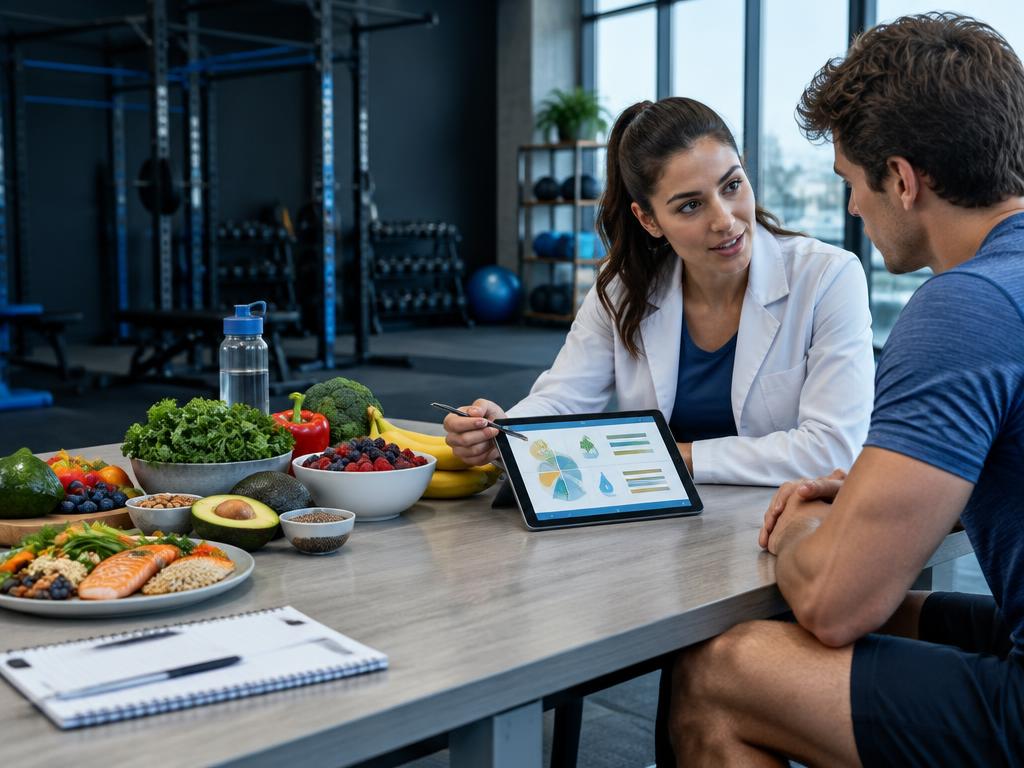
Athletes and active adults search for nutrition help when performance stalls or goals aren't being met. We help sports nutritionists become the obvious local expert and fill their consultation calendar.
Get My Free AnalysisThe challenge
Our approach
Pages for performance nutrition, weight-class cutting, endurance fueling, and youth athlete nutrition.
Meal plans, case studies, and athlete testimonials that demonstrate expertise.
Referral campaigns with gyms, coaches, and training facilities.
The market
When athletes or active individuals seek specialized nutritional guidance, their search often begins with a specific performance problem or a desire to optimize a physiological outcome. They're typically not just looking for 'diet tips,' but rather solutions tailored to their sport, training phase, or a particular dietary protocol like ketogenic for endurance, or carbohydrate loading for competition. These buyers are highly outcome-driven, often researching credentials, specialized certifications (e.g., CSSD), and success stories with athletes in similar disciplines.
Decision-making is heavily influenced by perceived expertise and a nutritionist's ability to speak to the nuanced demands of their sport – whether it's managing hydration for ultra-marathoners, optimizing nutrient timing for powerlifters, or navigating post-injury recovery nutrition. They're seeking a trusted partner who understands the intricate interplay of training load, recovery, and macro/micronutrient strategies, not a generic meal plan. Word-of-mouth referrals from coaches, trainers, or fellow athletes also play a significant role in validation and conversion.
For sports nutritionists targeting local clients, optimizing the Google Business Profile (GBP) is paramount. Ensure service areas are accurately defined, even if offering virtual consultations. Crucially, leverage the 'Services' section to detail specific offerings like 'pre-competition fueling,' 'off-season body recomposition,' or 'hydration protocols for tropical climates.' Encourage athlete clients to leave specific reviews mentioning their sport and achieved outcomes. High-quality photos showcasing client success (with consent) or clinic environment build trust. Regularly post updates about workshops, athlete spotlights, or seasonal nutrition tips, linking directly to relevant service pages.
Through local search, partnerships with gyms and coaches, and content that proves specialized expertise.
Yes — team and program contracts can provide steady revenue alongside individual clients.
Demand often spikes around major training cycles and competition seasons, such as pre-marathon training blocks, off-season body recomposition phases, or youth sports tryouts. Post-holiday periods also see an uptick as individuals re-focus on health and performance goals, often seeking guidance for specific upcoming events.
Specialization is key; rather than being a general nutritionist, focus on a niche like 'triathlon fueling' or 'youth football strength nutrition.' Publishing deep-dive content on these specific areas, showcasing credentials like CSSD, and securing testimonials from high-performing athletes in those niches builds undeniable authority and distinctiveness.
Yes, mentioning credentials like Registered Dietitian (RD), Certified Specialist in Sports Dietetics (CSSD), or Certified Sports Nutritionist (CISSN) is crucial. Marketing should align with the ethical guidelines of the Academy of Nutrition and Dietetics or other relevant professional organizations, ensuring claims are evidence-based and not misleading, especially concerning performance enhancement.
More Sports & Training specialties